Mold terms can be spread across a quotation, purchase order and separate tooling agreement. Review those documents together and make sure they describe the same tool, paying party, permitted use and obligations. This guide is a commercial planning checklist, not legal advice; ask qualified counsel to review terms when the tool or program warrants it.
1. Match the tool to the commercial record
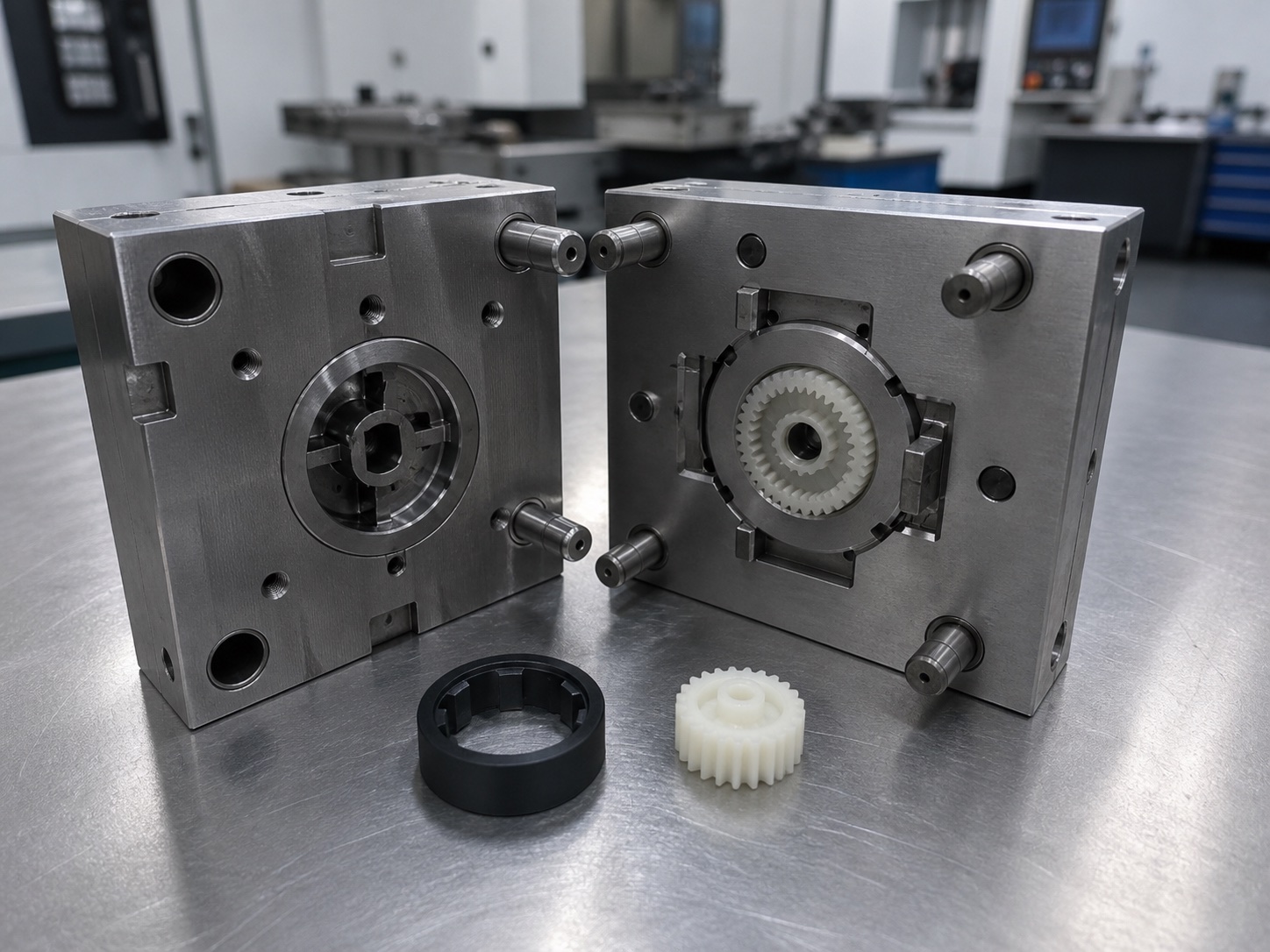
Identify the mold with a tool number or project reference, part number, revision, cavity arrangement and facility where it will be stored. Confirm which company is the buyer and seller under the documents. If a trading or coordinating company participates, name each party's role rather than assuming the invoice alone defines ownership.
Then read the quotation, purchase order and tooling agreement as a set. Check whether payment milestones, acceptance, title transfer and any outstanding balance are described consistently. Do not infer ownership solely from who paid for tooling or who currently holds it.
2. Ask what happens during the program
Ask who owns the mold at each stage: during manufacture, after payment, while it is in production and after the program ends. Confirm whether any proprietary components, inserts or spare tooling are treated separately. Identify who can authorize changes and who pays for repairs, routine maintenance or wear.
Clarify permitted use. If a tool is dedicated to your part, state whether it can be used only for your orders and how that restriction is documented. Confirm whether the manufacturer can produce for another party using the same tool or design. Do not rely on assumptions about confidentiality or exclusivity if either matters to the project.
3. Use a written tooling checklist
| Topic | Question to answer | Record to keep |
|---|---|---|
| Identification | Which tool, part, revision and cavities are covered? | Tool drawing, ID and project reference |
| Ownership | When does title transfer and what conditions apply? | Signed tooling terms and payment milestones |
| Use | Who may use the tool, and for what products or orders? | Permitted-use and confidentiality clauses |
| Storage | Where is it stored, who identifies it and how is it protected? | Facility, storage and insurance responsibilities |
| Maintenance | Who pays for routine service, wear or damage? | Maintenance scope, reporting and approval steps |
| Access | Who can inspect the tool and under what notice? | Access rights and practical arrangements |
| Transfer | Can it move, and who handles release, packing and cost? | Release procedure, documents and charges |
| Inactivity | How long is it retained without orders, and what notice applies? | Retention period, notices and disposition process |
These are questions to take into the agreement; the answers depend on the parties, tool and production route. Review ownership together with the quote comparison items in our injection molding quote guide.
4. Plan for storage, transfer and program changes
Agree how the mold is marked, inventoried and stored, and how the buyer will learn about its location or condition. Set a practical process for confirming maintenance, inspection, sample history and any changes to the tool. If program volume changes, ask whether the original tool strategy still suits future demand.
For a transfer, list who approves release, what balance must be settled, which files and spare components travel with the tool, how it will be packed, and who arranges transport. Consider the receiving factory's compatibility, local requirements and inspection before authorizing a move.
Finally, define what happens after inactivity or the end of the program. Include written notice, a contact path, a response window and the agreed disposition. Clear terms reduce the chance of discovering a storage or transfer issue only after the production relationship has changed.
Frequently asked questions
Does paying for a mold automatically mean I own it?
Do not assume so. Review the signed quotation, purchase order and tooling agreement for the parties, payment conditions and ownership language.
Who should pay for mold maintenance?
Agree this in writing. Responsibility can depend on the quote and program terms; distinguish routine maintenance, normal wear, damage and buyer-requested modifications.
Can I move my mold to another factory?
Confirm transfer rights, release steps, costs, notice requirements and any unpaid balance in the tooling documents before a move is needed.
What happens to a mold after production stops?
The agreement should say where it is stored, how long it is retained, how inactivity is defined, what notice is given and how disposition is handled.
Talk through the next step
Have a defined product or sample to review?
Share your drawing, sample, project stage and the questions you need to resolve. Galaxy Hong is your U.S.-based point of contact for the CHILLIX conversation.
Talk with Galaxy HongRelated CHILLIX guides
Sources and further reading
External sources describe their own methods or terms. Confirm the requirements for your specific part and project.
Prepared by the CHILLIX editorial team. Project requirements and manufacturing terms vary; confirm details in your project documents.