Sample approval answers whether a specific sample meets agreed requirements. A first production order also needs a shared definition of what is being made, how it will be checked, packed, identified and released. Put these points in one controlled brief that the buyer and manufacturer can reference.
1. Freeze the approved reference
Identify the approved part number and revision, current drawing or CAD file, material grade or performance requirements, color, finish and any inserts. Attach the approved sample record and list any conditions or deviations that remain. If the design changes, create a new revision and decide whether it needs another sample approval.
Separate corrections needed to meet the approved design from new features requested after approval. Confirm how each type will be reviewed and quoted. This avoids treating an updated model as though it were already covered by the earlier sample sign-off. For earlier-stage preparation, see our guide to the prototype-to-tooling handoff.
2. Confirm the first production plan
Write down the requested quantity, order schedule, expected repeat demand, destination and target ship date. Confirm the quoted production basis, cavity assumptions and any minimum quantities. Ask what must happen before production begins: purchase order acceptance, material arrival, final drawing release, deposit or packaging approval.
Set milestone dates for tooling readiness where relevant, material confirmation, production, inspection, pack-out and shipment handoff. Name who approves each milestone and how schedule risks will be raised. Lead time assumptions vary by project; distinguish production time from approvals, transport and other steps in the route.
3. Define checks before the run
Translate the approved requirements into an inspection plan. Identify critical dimensions, functional interfaces, appearance standards, sample quantity, measurement method and the records needed. If a customer specification, industry standard or traceability requirement applies, provide it and confirm which parts or lots it covers.
Agree how nonconforming parts are identified, isolated and reported, who can approve a deviation, and what triggers rework, sorting or a stop. The exact sampling plan and inspection scope depend on the part and contract. Do not assume a T1 check automatically defines routine production inspection.
- Current drawing, CAD and approved sample reference
- Critical-to-function dimensions and acceptable limits
- Appearance reference, color and finish
- Material and lot identification requirements
- Inspection sample size, frequency and records
- Escalation and disposition for nonconforming output
4. Align assembly, labels and packaging
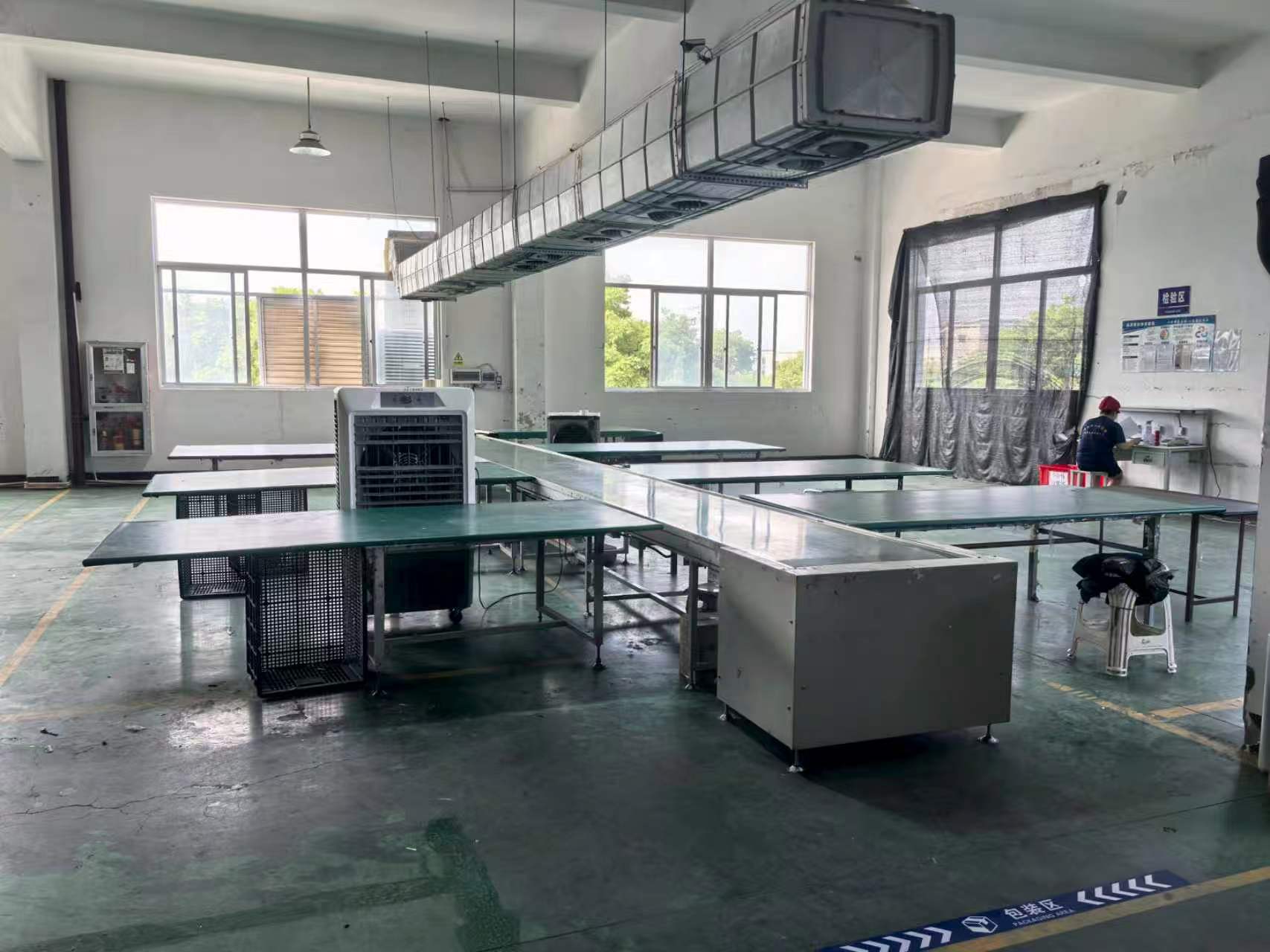
Confirm which components, inserts or secondary operations are included and the order they are assembled. State whether assembly is checked as a finished unit or by component. Document the packaging configuration: protection, bag or box, labels, quantities per carton, marks and destination needs.
Ask for a sample of the final pack-out if retail presentation, product identification or shipping protection matters. Confirm any manual, barcode or warning-label requirements before production. Assembly and packaging details can affect labor, order quantity and shipment volume, so include them in the same brief used for commercial comparison.
Before release, share the approved handoff with each responsible team and preserve the revision history. CHILLIX coordinates manufacturing steps according to the confirmed project scope; specific capabilities and timing are assessed for each program.
Frequently asked questions
Does sample approval automatically approve mass production?
No. Sample approval applies to the reviewed sample and agreed criteria. The first production order needs its own quantity, inspection, packing and release requirements.
What should be frozen before production begins?
At minimum, identify the part revision, material, color or finish, approved sample, critical requirements, packaging and any open conditions.
How should design changes after approval be handled?
Use a revised drawing or CAD file, identify what changed, review any tooling or inspection impact, and decide whether a new sample approval is needed.
Who defines inspection during production?
Buyer and manufacturer should agree the features, methods, sample frequency, records and disposition process in the order documents or quality plan.
Talk through the next step
Have a defined product or sample to review?
Share your drawing, sample, project stage and the questions you need to resolve. Galaxy Hong is your U.S.-based point of contact for the CHILLIX conversation.
Talk with Galaxy HongRelated CHILLIX guides
Sources and further reading
External sources describe their own methods or terms. Confirm the requirements for your specific part and project.
Prepared by the CHILLIX editorial team. Project requirements and manufacturing terms vary; confirm details in your project documents.